
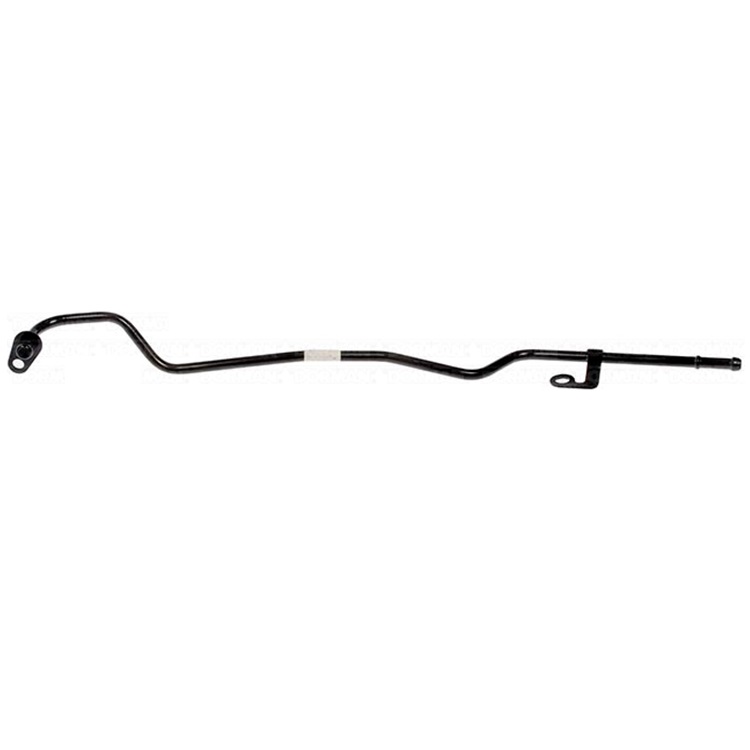
In a significant development within the automotive industry, a strategic transition from traditional gas copper pipes to flexible hoses is gaining momentum, promising enhanced reliability, durability, and performance in vehicle systems. This shift aligns seamlessly with the ongoing advancements in the manufacturing and development of automotive stainless steel bellows assemblies and metal pipe fittings, spearheaded by a leading industry player dedicated to becoming the foremost manufacturer and system service solution provider in this specialized segment.
**The Evolution of Automotive Fluid Conduits**
For decades, gas copper pipes have been widely utilized across various automotive applications due to their relatively low cost, ease of installation, and adequate performance in specific environments. However, as automotive systems continue to evolve with increasing demands for flexibility, resistance to vibration, and durability under extreme conditions, the limitations of copper piping have become more pronounced. Brittle under cold conditions, prone to corrosion in certain environments, and limited in flexibility, gas copper pipes are gradually giving way to more adaptable solutions.
Enter flexible hoses—a modern alternative that addresses many of these challenges by offering superior flexibility, enhanced vibration absorption, and improved resistance to corrosion and temperature fluctuations. These benefits are particularly critical when integrated with stainless steel bellows assemblies, which play a vital role in managing pressure variations and mechanical movements within vehicle fluid systems.
**Company’s Role in Driving Industry Advancements**
The company behind this transition is chiefly engaged in the manufacturing and development of automotive stainless steel bellows assemblies and metal pipe fittings. With a steadfast commitment to innovation and quality, the company aims to maintain its leadership status as a premier manufacturer of stainless steel bellows fittings and assemblies while expanding its footprint as a comprehensive system service solution provider.
Recognizing the need to adapt to newer technologies and materials, the company has proactively embraced the use of flexible hoses as a pivotal component within its product offerings. By integrating flexible hoses with its robust stainless steel bellows assemblies, the company offers unparalleled solutions that enhance the overall performance and longevity of automotive fluid conduit systems.
**Advantages of Flexible Hose Integration**
Several compelling factors underscore the suitability of flexible hoses as successors to traditional copper pipes in automotive applications:
1. **Enhanced Flexibility and Movement Accommodation**
Automotive systems are subject to continuous movement, vibrations, and thermal expansion. Flexible hoses can accommodate these dynamic conditions more effectively than rigid copper pipes, minimizing the risk of fatigue and failure.
2. **Corrosion Resistance and Longevity**
Flexible hoses, often reinforced with stainless steel or other corrosion-resistant materials, provide superior protection against environmental factors that typically degrade copper piping over time. This attribute ensures improved service life and reliability.
3. **Ease of Installation and Maintenance**
Compared to rigid piping, flexible hoses offer simplified installation, particularly in constrained or complex engine compartments where space optimization is crucial. Their adaptability reduces labor time and costs associated with assembly and repair.
4. **Improved Safety**
By better handling pressure spikes and movement, flexible hoses reduce the likelihood of leaks or ruptures, contributing to safer vehicle operations.
**Technological Innovation Within Bellows Assemblies**
Stainless steel bellows assemblies serve as critical components that absorb thermal expansion, isolate vibration, and compensate for mechanical misalignments in fluid and exhaust systems. The synergy between bellows and flexible hose technology has unlocked new possibilities in automotive engineering.
The company has invested heavily in research and development to refine bellows design, selecting premium grades of stainless steel and optimizing assembly techniques to maximize durability and performance. When paired with flexible hoses, these assemblies offer a resilient and adaptable fluid conveyance solution that meets the rigorous demands of modern vehicles, including internal combustion engines, hybrid systems, and emerging electric drivetrain applications.
**Commitment to Quality and Customer-Centric Service**
Quality assurance remains a cornerstone of the company's operational philosophy. Every stainless steel bellows assembly and flexible hose product undergoes meticulous testing, including pressure endurance, leak detection, and environmental stress simulations. By maintaining stringent standards, the company ensures its products consistently exceed industry benchmarks, delivering dependable solutions to automotive manufacturers and service networks worldwide.
Moreover, the company’s system service solution provider approach means it goes beyond merely supplying components. It offers comprehensive support encompassing design consultation, custom manufacturing, and after-sales service. This holistic strategy enables clients to tailor solutions precisely to their unique application needs, fostering long-term partnerships based on trust and technological excellence.
**Market Impact and Future Prospects**
This transition from gas copper pipe to flexible hose, championed by the company’s expertise in stainless steel bellows fittings, signals a broader trend toward more adaptive and resilient fluid system components in the automotive sector. As vehicles become more sophisticated, with tighter performance and safety regulations, the demand for advanced componentry that supports these goals will intensify.
Looking ahead, the company is poised to leverage its innovations to capture increased market share and expand into related sectors such as commercial vehicles, industrial machinery, and renewable energy systems. Its pioneering work in stainless steel bellows assemblies combined with flexible hose integration will likely set new standards for performance and reliability across diverse applications.
**Conclusion**
The gradual replacement of gas copper pipes with flexible hoses marks a pivotal evolution in automotive fluid management technology. Backed by the company’s leadership in manufacturing and developing automotive stainless steel bellows assemblies and metal pipe fittings, this transition promises to deliver enhanced flexibility, durability, and safety in vehicle systems.
Through continuous innovation, unwavering commitment to quality, and comprehensive service solutions, the company is well-positioned to remain at the forefront of this transformation, driving progress in automotive component manufacturing and setting new benchmarks for industry excellence. The integration of flexible hoses with stainless steel bellows assemblies not only exemplifies technical advancement but also reflects a broader commitment to sustainability and improved vehicle performance in the 21st century.